Reservation Hatao Movement Protest
This protest card uses the movement image to frame the campaign as a national demand for equality and reform. It is designed for viewers to feel the urgency and clarity of the Reservation Hatao Movement.
भारत की ज्ञान परंपरा और सभी समुदायों का सम्मान
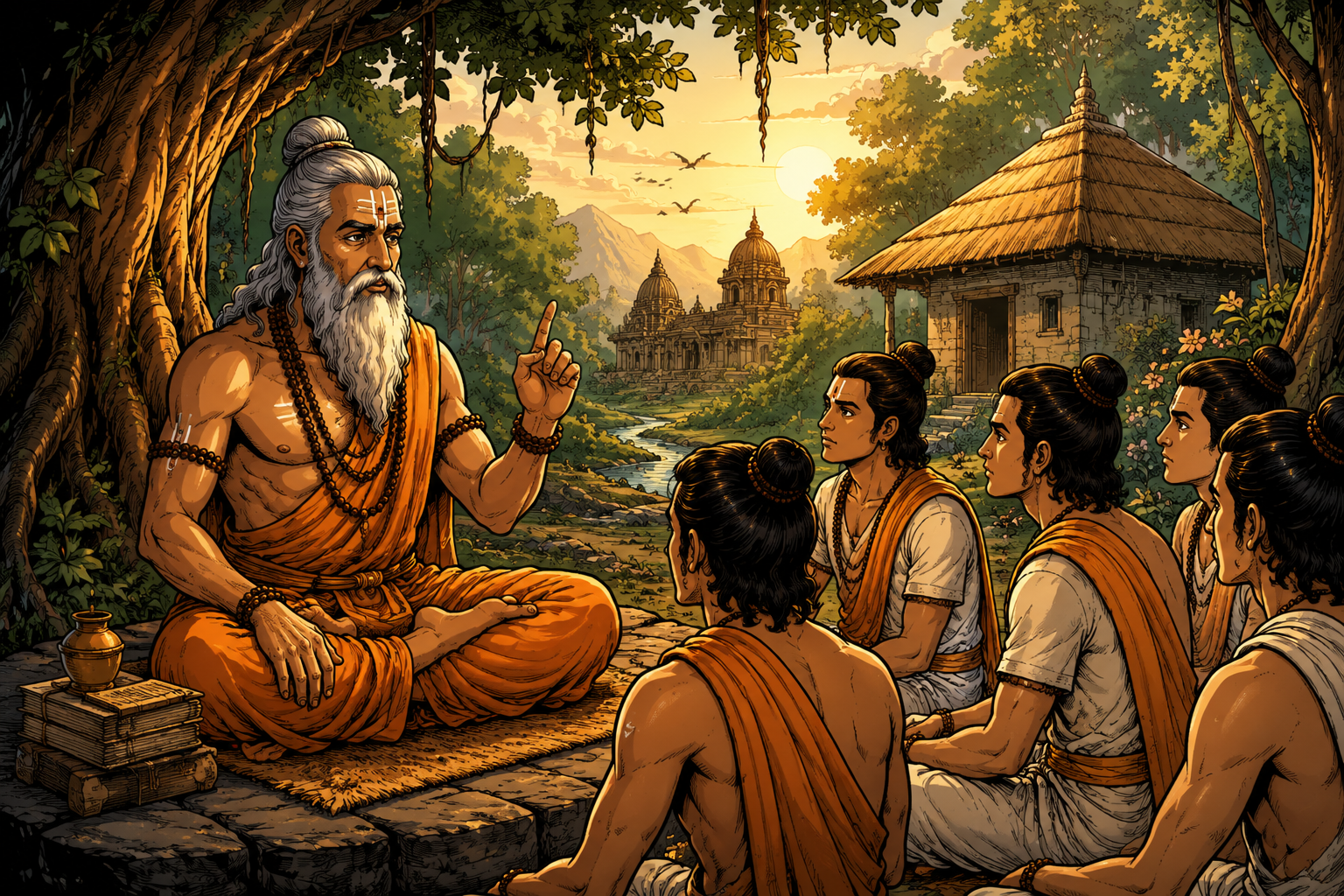
भारत की सभ्यता का निर्माण अनेक संतों, ऋषियों, विद्वानों, गुरुओं, समाज सुधारकों, योद्धाओं और विभिन्न समुदायों के योगदान से हुआ है। वैदिक परंपरा के अनेक ऋषियों ने वेद, उपनिषद, दर्शन, व्याकरण, ज्योतिष, आयुर्वेद और गणित जैसे ज्ञान क्षेत्रों को समृद्ध किया। परंपरा के अनुसार महर्षि वाल्मीकि द्वारा रचित रामायण और महर्षि वेदव्यास द्वारा संकलित महाभारत भारतीय संस्कृति की अमूल्य धरोहर माने जाते हैं। आचार्य पाणिनि, आर्यभट्ट, चाणक्य, पतंजलि और आदि शंकराचार्य जैसे विद्वानों ने शिक्षा, दर्शन, शासन, भाषा और विज्ञान के विकास में महत्वपूर्ण योगदान दिया।
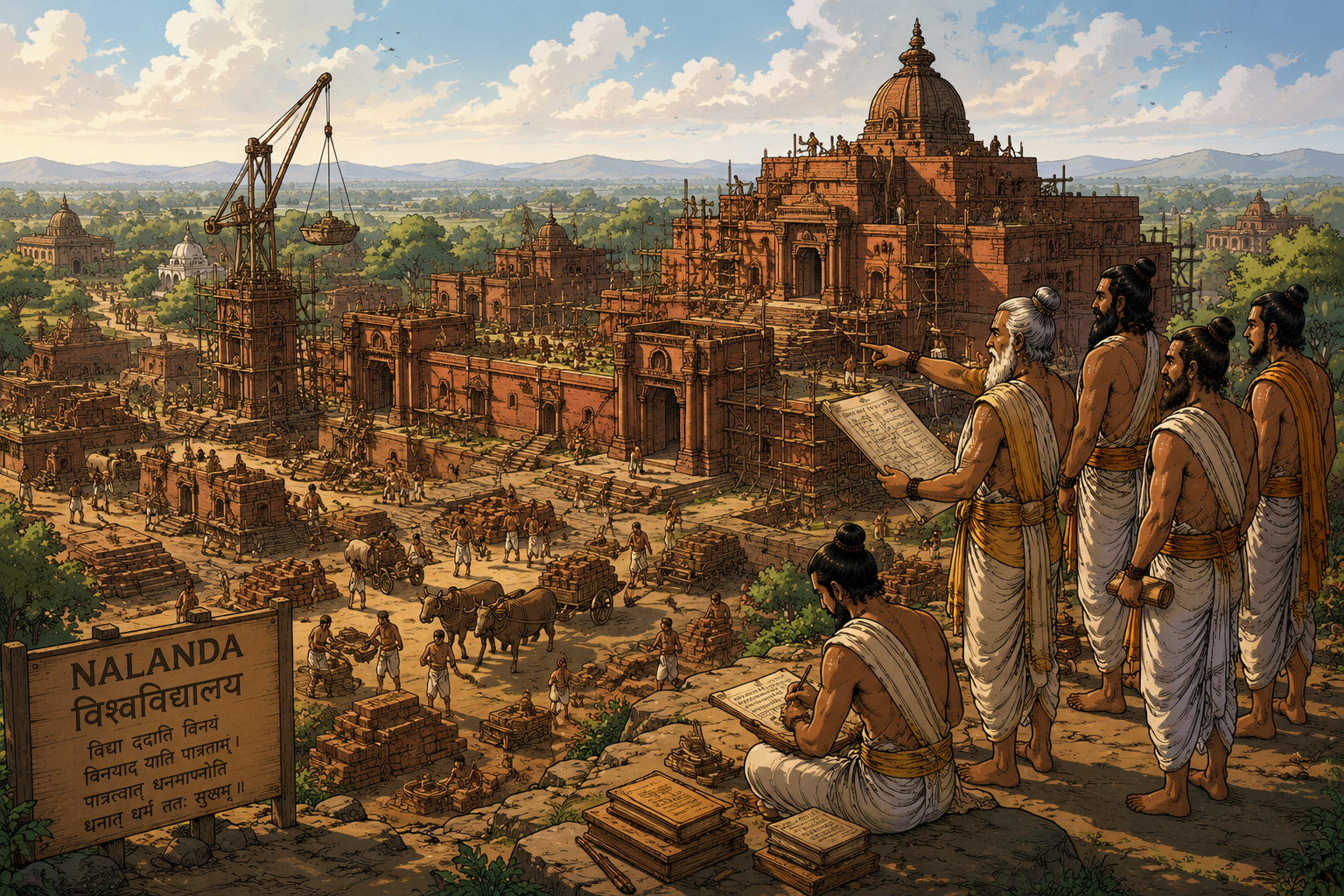
नालंदा और तक्षशिला जैसे प्राचीन शिक्षा केंद्रों ने भारत को विश्व में ज्ञान का केंद्र बनाया। इन विश्वविद्यालयों में विभिन्न परंपराओं, विचारधाराओं और देशों से आए विद्यार्थी एवं आचार्य अध्ययन और शोध करते थे। यह भारत की समावेशी ज्ञान परंपरा का प्रतीक था।
इसी प्रकार भारत के निर्माण में अनुसूचित जाति, अनुसूचित जनजाति, अन्य पिछड़ा वर्ग, सामान्य वर्ग तथा सभी धर्मों और समुदायों के लोगों ने अपने-अपने क्षेत्रों में अमूल्य योगदान दिया है। हमारा उद्देश्य किसी समुदाय की तुलना करना या किसी का अपमान करना नहीं, बल्कि भारत की समृद्ध विरासत का सम्मान करना है।
हमारा विश्वास है कि आधुनिक भारत को ऐसी शिक्षा व्यवस्था की आवश्यकता है जो गुणवत्ता, समान अवसर, नवाचार और सामाजिक सद्भाव को साथ लेकर चले। लोकतांत्रिक संवाद, संवैधानिक मूल्यों और पारस्परिक सम्मान के माध्यम से ही हम एक ऐसे भारत का निर्माण कर सकते हैं जहाँ प्रत्येक नागरिक अपनी प्रतिभा के अनुसार आगे बढ़ सके और राष्ट्र की प्रगति में समान रूप से योगदान दे सके।|
-
-
The reservation system in India is a crucial socio-political mechanism aimed at addressing historical
injustices and ensuring social equity. Rooted in the Indian Constitution, it provides affirmative action for
marginalized communities, primarily Scheduled Castes (SCs), Scheduled Tribes (STs), and Other Backward
Classes (OBCs). The system was established to counter the deep-seated discrimination faced by these groups,
particularly in education, employment, and political representation. The origins of reservation policies can be
traced back to British colonial rule, when limited quotas were introduced for disadvantaged groups in certain
regions. However, it was after India’s independence in 1947 that the system was formally institutionalized under
the leadership of Dr. B.R. Ambedkar, who played a key role in drafting the Constitution.
The reservation framework was designed as a temporary measure to uplift historically oppressed
communities, providing them access to opportunities previously denied due to the rigid caste hierarchy. Over the
years, it has evolved, with periodic revisions to accommodate more groups and address socio-economic
disparities. The Mandal Commission report of 1980 marked a significant shift by recommending reservations for
OBCs, leading to intense debates and nationwide protests. Despite criticisms regarding meritocracy and
economic-based reservations, the system remains a fundamental tool for social justice in India.
In southern states, the implementation of reservation policies has been distinct, with states like Tamil
Nadu and Karnataka adopting extensive reservation quotas, sometimes exceeding the constitutionally prescribed
limit of 50%. The socio-political landscape in these states has significantly influenced how reservation policies
are framed and executed. This study aims to analyze the comparative implementation of the reservation system in
the southern states, examining its impact on education, employment, and social mobility. By doing so, it seeks to
assess the effectiveness of the system and explore potential reforms to ensure equitable development.
Share your experience, read the movement updates, and help spread the message that reservation reform must be based on solidarity and justice.
Support the Vote